Why are water tanker trucks essential for construction and mining operations?
Introduction
Construction and mining operations often require large volumes of water for dust suppression, road maintenance, material handling, equipment cleaning, and site safety. Reliable water delivery becomes especially important on large or remote worksites where municipal water systems may not be available. Water tanker trucks provide a practical way to transport and distribute water across demanding job sites while supporting safer, cleaner, and more efficient operations.
Quick answer
Water tanker trucks are essential for construction and mining because they provide mobile water delivery where fixed infrastructure may be limited or unavailable. They help control airborne dust, improve visibility, maintain haul roads, support compaction, clean equipment, and meet operational water requirements. Properly configured trucks can deliver water efficiently across large construction sites, mines, quarries, and other heavy-duty work environments.
What are water tanker trucks?
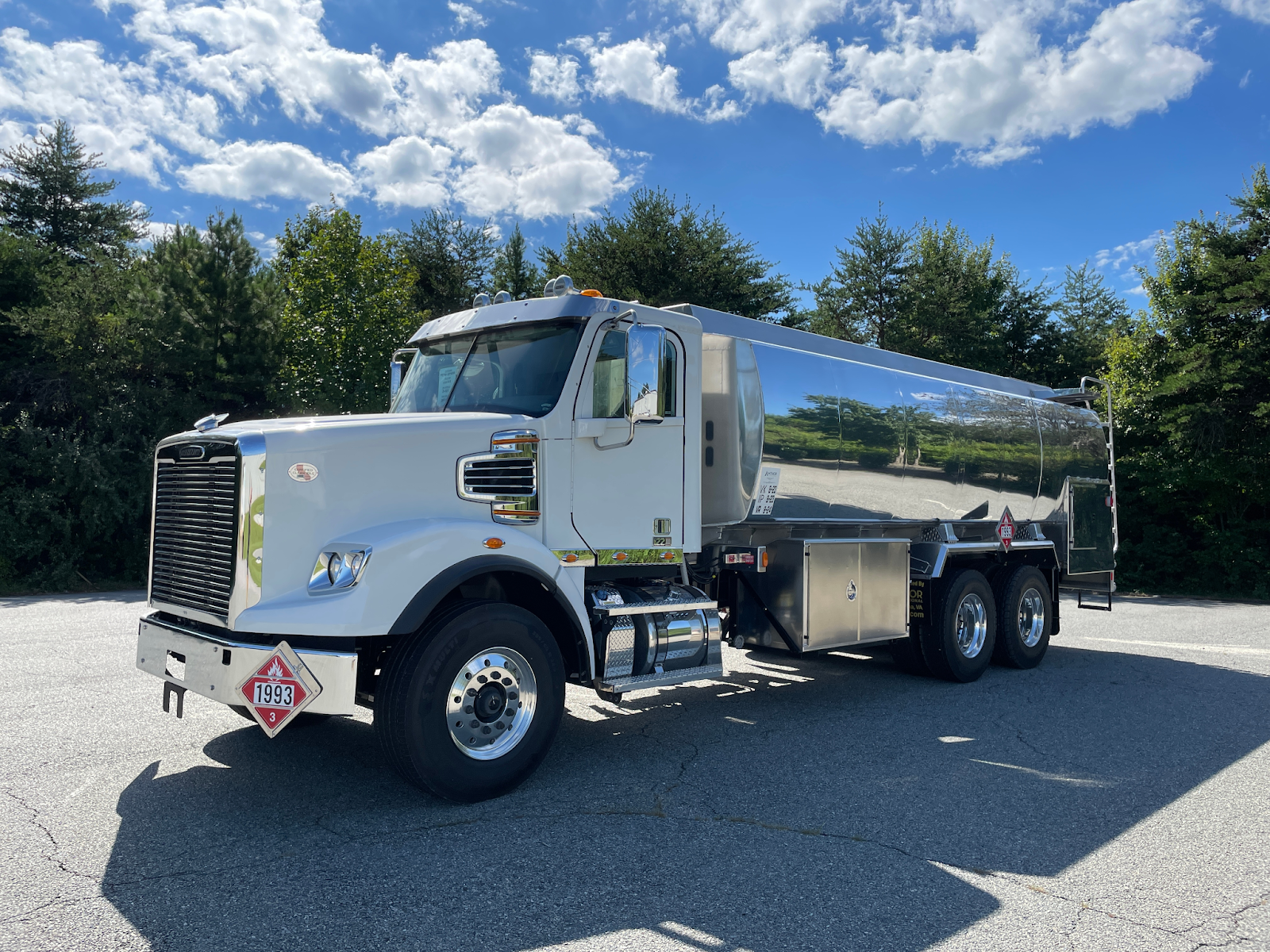
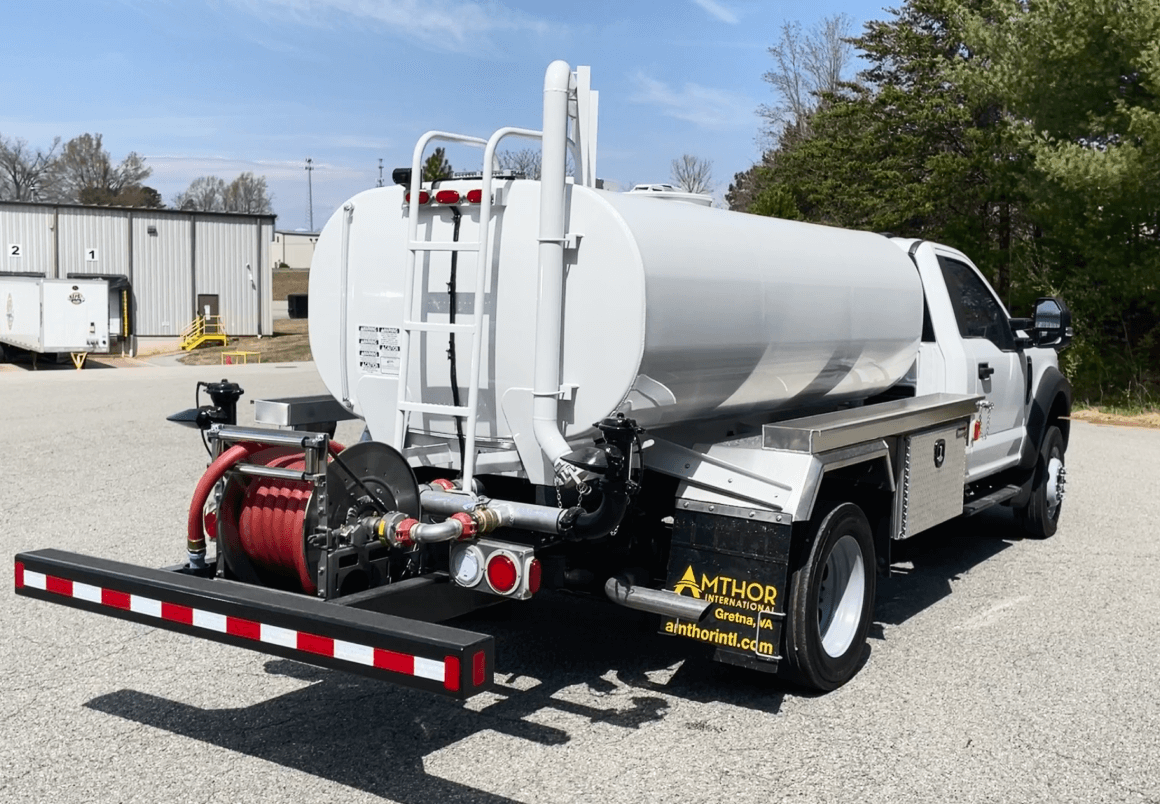
Water tanker trucks are specialized vehicles equipped with tanks and water distribution systems for transporting and spraying water. Depending on the application, they can include pumps, spray bars, hose reels, water cannons, rear sprays, side sprays, and other distribution equipment.
Construction and mining fleets typically select truck configurations based on water requirements, site size, terrain, road conditions, and the frequency of water application.
Unlike stationary water storage systems, a mobile truck can move directly to different areas of a job site. This makes water distribution more flexible, particularly on large projects where work zones change frequently.
Why are water tanker trucks important for construction and mining in the USA?
Construction and mining sites across the USA can cover large areas and operate under challenging environmental and terrain conditions. Dust from unpaved roads, excavation, crushing, drilling, and material movement can affect visibility, worker comfort, equipment, and surrounding areas.
A properly equipped water tanker truck can support:
Dust suppression on haul and access roads
Improved visibility around active work zones
Soil and aggregate compaction
Road and surface maintenance
Equipment and site cleaning
Water distribution across remote areas
General site safety and environmental management
The right truck configuration allows operators to deliver water where and when it is needed without relying entirely on fixed water infrastructure.
How do water tanker trucks support construction operations?
Construction sites use water for much more than basic cleaning. Water application can be an important part of site preparation, road maintenance, dust management, and material handling.
Dust suppression
One of the most common applications is controlling dust on unpaved roads and active work areas. Regular water application can help reduce airborne particles created by construction traffic and equipment.
Soil compaction
Water can be used during grading and compaction operations to achieve appropriate moisture conditions in soil. Consistent water application can help crews prepare surfaces for subsequent construction activities.
Road and site maintenance
Construction roads can become dry, dusty, and difficult to maintain. Water trucks can distribute water across access roads, staging areas, and other surfaces to support ongoing site maintenance.
Cleaning and general site use
Water may also be needed for equipment cleaning, surface washing, and other operational tasks. A mobile truck provides flexibility when water needs occur across different areas of the site.
How do water tanker trucks support mining operations?
Mining operations can place significant demands on water delivery equipment. Haul roads may extend for miles, while active mining areas can be located far from permanent water sources.
Water tanker trucks can support mining operations by providing water for:
Haul road dust suppression
Mine access road maintenance
Material handling areas
Equipment cleaning
Stockpile areas
General site maintenance
Environmental control activities
Mining operations should select trucks based on route distances, terrain, water demand, operating hours, and site conditions. A truck designed for demanding conditions can help maintain consistent water coverage across large operating areas.
What should you consider when choosing a water tanker truck?
The best truck depends on how and where water will be used. Before selecting a vehicle, evaluate the following factors.
Tank capacity
Tank capacity should match the site's water demand and the distance between filling locations and work areas. A larger tank can reduce refill trips, but it also adds weight and may require a larger chassis.
Pump performance
The pump determines how efficiently water can be moved from the tank to the distribution equipment. Consider required flow rate, operating pressure, water source, and the type of spraying equipment being used.
Spray and distribution system
Different applications require different water distribution methods. Options can include rear spray bars, side sprays, front sprays, hose reels, and water cannons.
Chassis and payload
The chassis must be capable of safely carrying the tank, water, pump, and additional equipment. Consider GVWR, axle configuration, terrain, road conditions, and expected operating loads.
Operating environment
Construction and mining sites can expose trucks to dust, mud, uneven terrain, vibration, and heavy use. Equipment should be selected according to the conditions in which it will operate.
When does a custom water truck make sense?
A custom water truck can be useful when standard specifications do not match the site's operating requirements. Fleet managers may need different tank capacities, pump systems, spray configurations, chassis options, or equipment placements based on the application.
Customization can be especially valuable for mining operations, large construction projects, quarries, and contractors managing specialized water-delivery requirements.
Before ordering a custom configuration, identify the site's water demand, route conditions, spray requirements, filling locations, and expected daily utilization. This helps ensure the truck is built around actual operating needs.
How does a water lorry compare with a specialized water tanker truck?
The term water lorry is commonly used for vehicles that transport and distribute water, particularly in some international markets. In the U.S., fleet operators more commonly use terms such as water truck, water tanker truck, or water truck, depending on the application.
Regardless of terminology, the important factors are tank capacity, pump performance, spray coverage, chassis capability, and the truck's suitability for the intended job site.
What should you check before buying a water tanker for sale?
When evaluating a water tanker for sale, look beyond the advertised tank capacity and purchase price. Review the complete vehicle specification and determine whether it matches your operation.
Check:
Tank construction and capacity
Chassis and payload rating
Pump specifications
Spray system
Hose and reel configuration
Equipment condition for used trucks
Maintenance history
Safety equipment
Expected operating environment
Availability of parts and service
For new equipment, confirm that the manufacturer can configure the truck around your intended application. For used equipment, inspect the tank, pump, chassis, valves, hoses, and spray equipment carefully before purchasing.
Common mistakes when choosing a water tanker truck
Choosing a truck based only on tank capacity can create operational problems. Common mistakes include:
Selecting a tank that is too large for the available chassis
Underestimating daily water demand
Choosing insufficient pump capacity
Ignoring terrain and road conditions
Failing to consider spray coverage
Overlooking maintenance requirements
Buying equipment without considering future workload
Focusing only on purchase price instead of total ownership cost
A complete assessment of the operation can help fleet managers avoid unnecessary costs and downtime.
When should you consider investing in water tanker trucks?
Investing in dedicated water tanker trucks makes sense when water requirements are frequent, spread across large areas, or difficult to meet through fixed infrastructure.
A dedicated truck can be particularly valuable when construction or mining operations experience:
Increasing project size
Higher dust-control requirements
Longer haul roads
More frequent water applications
Multiple active work zones
Increased equipment cleaning needs
Expansion into remote operating areas
The right vehicle can improve water-delivery efficiency while reducing reliance on temporary or less suitable equipment.
Conclusion
Water tanker trucks are essential to construction and mining because they provide reliable, mobile water delivery for dust suppression, road maintenance, compaction, cleaning, and other site requirements. The right configuration should match tank capacity, pump performance, spray coverage, chassis capability, terrain, and daily water demand. For demanding U.S. operations, selecting a purpose-built truck can improve productivity, site safety, and long-term fleet value.
Contact Amthor International today to find the right water tanker truck for your operation.
Frequently asked questions
1. Why are water tanker trucks used in construction?
They are commonly used for dust suppression, soil compaction, road maintenance, cleaning, and general water distribution across construction sites.
2. Why are water trucks important in mining?
Mining operations use them primarily for haul road dust suppression, site maintenance, equipment cleaning, and water distribution across large or remote areas.
3. What size water tanker truck does a construction site need?
The appropriate size depends on water demand, refill locations, site area, road conditions, and the truck's chassis and payload capacity.
4. Can water tanker trucks be customized for mining operations?
Yes. Tank capacity, pumps, spray systems, chassis configurations, and other equipment can be selected based on specific mining requirements.
5. What equipment does a water tanker truck typically include?
Common equipment includes a water tank, pump, spray bar, valves, piping, hose reel, and various spray or distribution systems.
6. Should I buy a new or used water tanker truck?
The decision depends on budget, expected utilization, required specifications, maintenance history, and the long-term needs of your operation.

Comments
Post a Comment