Why Could the Right DEF Tank Truck Make Fleet Service More Efficient?
Fleet operations depend on reliable vehicles, organized maintenance, and access to essential fluids and supplies. For many modern diesel-powered vehicles, Diesel Exhaust Fluid (DEF) is an important part of the emissions-control system. As fleets expand and vehicles operate across larger areas, businesses increasingly need practical methods for transporting and delivering DEF.
A dedicated transportation solution can help companies manage DEF distribution between storage facilities, fleet yards, construction sites, agricultural operations, and customer locations. However, choosing the right equipment involves more than selecting a tank based on capacity. Businesses must consider the entire vehicle configuration and how it will be used.
Could Mobile DEF Delivery Improve Fleet Support?
Fleet vehicles are not always located at a central facility. Trucks and equipment may spend days or weeks at construction projects, agricultural properties, industrial sites, or remote work areas.
A mobile def tanker can provide a way to transport DEF directly to locations where it is required. Instead of bringing vehicles back to a central facility solely for DEF replenishment, businesses can incorporate delivery into their existing service routines.
This can be especially useful for companies supporting large fleets or multiple customer locations. Route planning can be organized around fuel, maintenance, equipment servicing, and DEF requirements.
What Should Businesses Consider When Selecting Tank Capacity?
Capacity should be based on actual operating requirements. Fleet managers should review how much DEF their vehicles consume, how frequently deliveries are required, and how far the transportation vehicle will travel between loading locations.
A tank with insufficient capacity could require unnecessary refilling trips. On the other hand, excessive capacity may not be appropriate for every truck configuration or operating environment.
The goal is to identify a practical balance between usable capacity, chassis specifications, payload, route requirements, and delivery frequency.
How Does Customization Affect DEF Equipment?
Different businesses may require different equipment layouts. A company servicing heavy equipment at construction sites may need a different configuration from a commercial fleet making scheduled DEF deliveries.
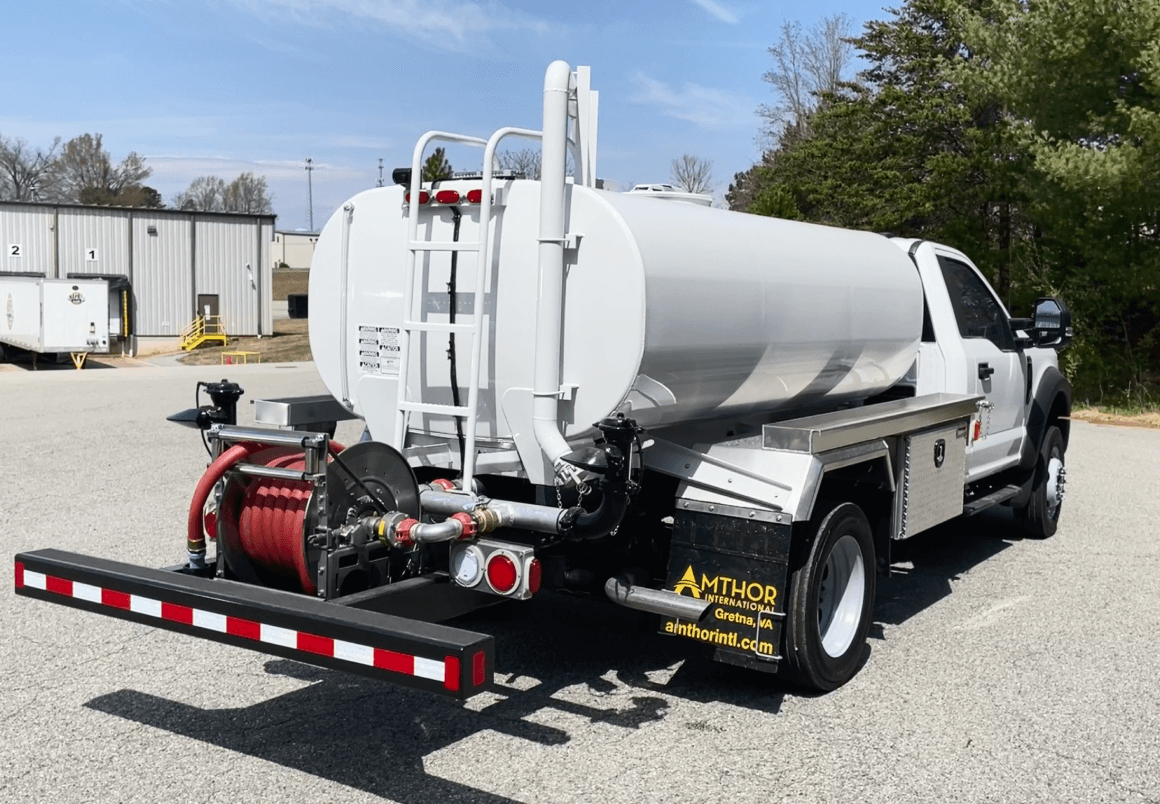
With custom def tanks, businesses can work toward a configuration that reflects their specific operating requirements. Tank dimensions, equipment placement, pumping systems, hose reels, dispensing components, and access arrangements can all be considered during the design process.
Customization may also help make better use of available chassis space. Rather than adapting an operation around a generic configuration, the vehicle can be planned around the workflow.
Why Is DEF Purity an Important Consideration?
DEF is formulated to specific quality requirements, and contamination can affect its intended use in SCR systems. This makes appropriate equipment selection particularly important.
Tank interiors, pumps, hoses, fittings, valves, and other fluid-contact components should be suitable for DEF service. Businesses should work with knowledgeable manufacturers and suppliers when selecting components.
Proper handling practices are also essential. Operators should follow appropriate procedures for loading, transporting, dispensing, inspecting, and maintaining DEF equipment.
What Makes a DEF Vehicle Practical for Daily Use?
The best equipment configuration depends on how operators interact with the vehicle. Components that require frequent access should be positioned conveniently. Hoses and dispensing equipment should be organized around the delivery process.
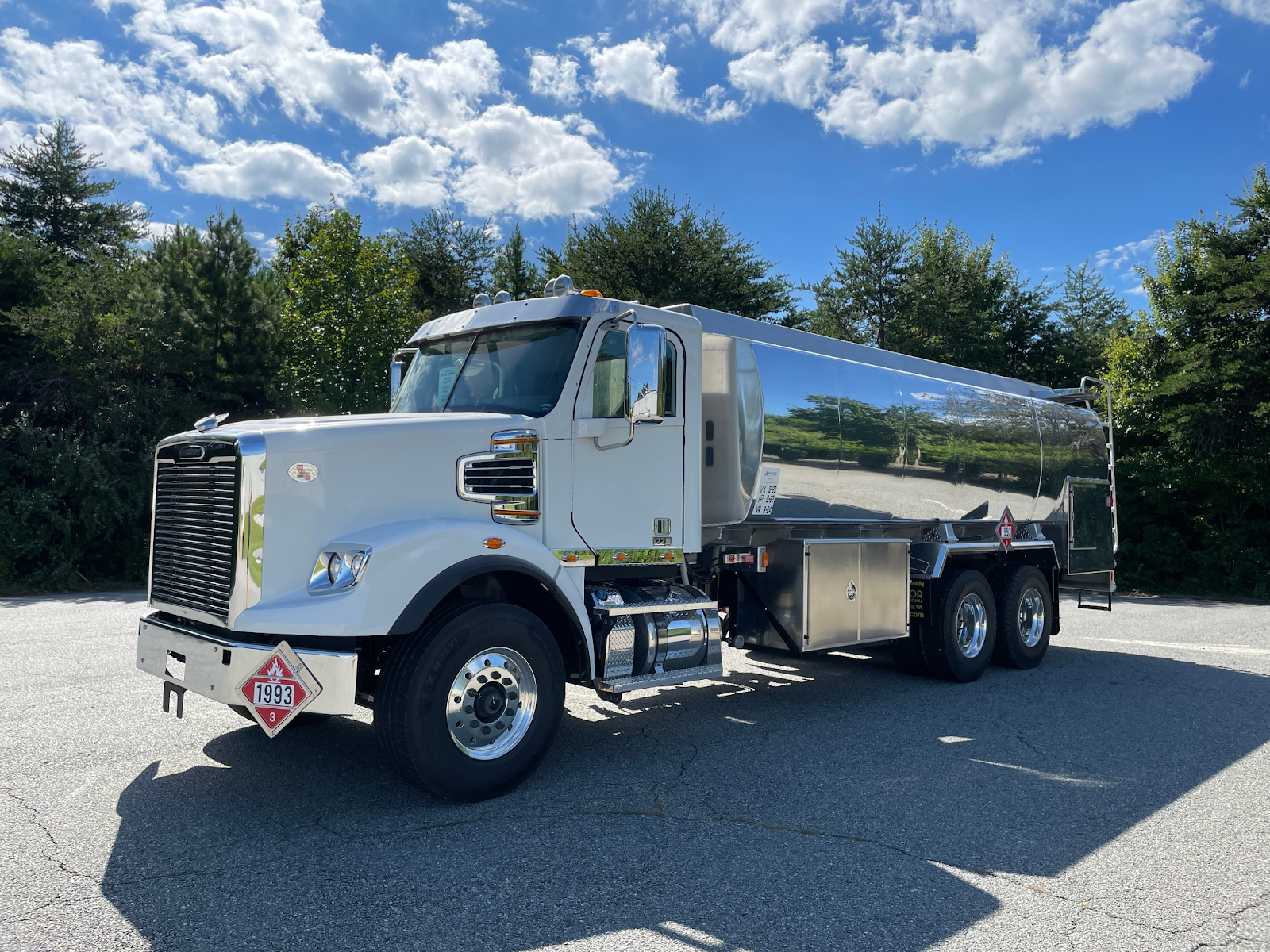
A well-planned def tank truck can integrate the tank and supporting equipment with the chassis to create a functional mobile service platform.
Fleet managers should consider access to pumps, valves, hoses, meters, and storage areas. Operator convenience can make a difference during repeated delivery and service activities.
How Does Chassis Integration Influence Performance?
The tank body and truck chassis need to work together. Available mounting space, payload capacity, axle configuration, dimensions, and equipment placement should all be evaluated before finalizing the design.
A properly integrated system can help distribute equipment appropriately while providing room for essential components. The finished vehicle should also be considered from a maintenance perspective.
Easy access to serviceable components can simplify inspections and repairs. This can be especially valuable for businesses that rely on the vehicle for frequent DEF delivery.
What Industries Can Benefit From Mobile DEF Transportation?
Many industries operate diesel-powered vehicles and equipment that may require regular DEF replenishment. Construction companies can use mobile delivery around project sites. Agricultural operations may need DEF for tractors, combines, and other machinery. Commercial fleets can use dedicated equipment to support multiple vehicles.
Equipment service providers may also use specialized vehicles to deliver DEF alongside other fleet-support services.
The specific configuration will depend on the business's volume, routes, equipment, and service model.
What Questions Should You Ask a Manufacturer?
Before purchasing specialized DEF transportation equipment, businesses should discuss their application with the manufacturer. Important topics include:
Tank Capacity
Determine the volume required for normal operations and delivery schedules.
Chassis Compatibility
Confirm that the selected configuration is appropriate for the intended truck chassis.
Material Compatibility
Ask which materials and components are suitable for DEF service.
Dispensing Equipment
Identify the pumps, hoses, reels, meters, valves, and nozzles needed.
Maintenance Access
Consider how easily operators can inspect and service key components.
Customization
Determine whether the manufacturer can adapt the configuration to specific operational needs.
Could Better Planning Simplify DEF Management?
DEF transportation is becoming an important consideration for businesses operating modern diesel fleets. A dedicated vehicle can provide a structured way to move and dispense DEF across multiple locations.
The most effective approach begins with understanding the actual application. Capacity, chassis, materials, dispensing equipment, operator access, and maintenance requirements should all be evaluated together.
With careful planning and a suitable configuration, businesses can establish a practical DEF delivery process that supports daily fleet operations and provides flexibility as their service requirements grow.

Comments
Post a Comment