Fuel Tank Trucks: Capacity, Safety, and Customization Explained
Fuel transportation is an essential part of industries such as construction, agriculture, mining, logistics, aviation, and municipal services. Businesses that rely on uninterrupted access to fuel need transportation solutions that are not only dependable but also designed to meet their specific operational requirements. Choosing the right fuel transport vehicle involves more than selecting a tank size; it requires careful consideration of capacity, safety features, and customization options that support long-term efficiency.
Whether transporting gasoline, diesel, aviation fuel, or other petroleum products, understanding what makes a quality fuel transport vehicle can help businesses improve productivity, reduce downtime, and maximize return on investment.
Understanding Fuel Transport Requirements
Every operation has unique fueling demands. Some organizations require high-volume transportation between terminals and distribution centers, while others need mobile fueling equipment capable of servicing machinery directly at job sites.
The ideal fuel transport solution depends on several factors, including:
Daily fuel consumption
Type of fuel being transported
Number of vehicles or machines served
Operating environment
Route distance
Regulatory requirements
Future fleet expansion plans
Evaluating these factors before making an investment helps businesses select equipment that supports both current operations and future growth.
Choosing the Right Tank Capacity
Tank capacity is one of the most important decisions when purchasing a fuel transport vehicle. Selecting a tank that is too small can result in frequent refilling trips, while an oversized tank may increase operating costs unnecessarily.
Businesses should consider:
Daily fueling volume
Number of job sites
Distance between fuel sources
Available payload capacity
Vehicle size limitations
Construction companies working on large infrastructure projects often require higher-capacity vehicles capable of servicing multiple pieces of equipment throughout the day. On the other hand, organizations with smaller fleets may benefit from more compact solutions that provide flexibility without unnecessary capacity.
A properly sized vehicle improves fuel management while reducing travel time and operational interruptions.
Safety Comes First
Because fuel is a hazardous material, safety should always be a top priority when selecting transportation equipment.
Modern transport vehicles incorporate numerous safety systems designed to protect operators, equipment, and the environment.
Some of the most important safety features include:
Emergency shut-off systems
Spill containment equipment
Pressure relief valves
Anti-static grounding systems
High-quality pumping equipment
Secure compartment construction
Fire extinguisher storage
Leak-resistant piping
Routine inspections and preventive maintenance also play a critical role in ensuring safe operation throughout the vehicle's service life.
Businesses that prioritize safety often experience fewer accidents, lower maintenance costs, and improved regulatory compliance.
Regulatory Compliance Matters
Fuel transportation is subject to strict federal, state, and local regulations. Compliance requirements typically include vehicle construction standards, hazardous material transportation rules, driver qualifications, inspection schedules, and proper documentation.
Working with experienced manufacturers helps ensure vehicles are built to meet applicable industry standards.
Maintaining compliance not only protects businesses from potential penalties but also strengthens customer confidence and operational reliability.
The Value of Customization
No two businesses operate exactly alike. Custom-built fuel transport vehicles provide the flexibility needed to address unique operational challenges.
Common customization options include:
Multiple tank compartments
Custom tank capacities
Pump and meter configurations
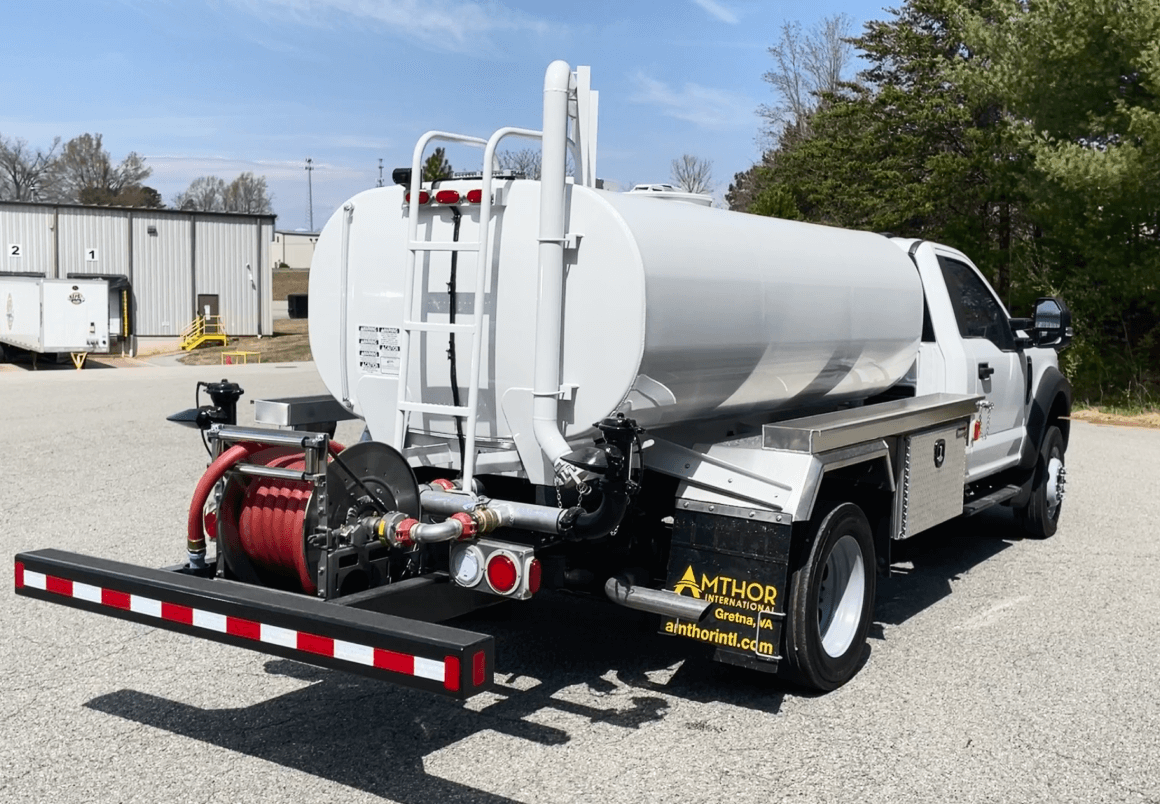
Hose reel systems
Tool storage compartments
DEF storage options
Specialized lighting packages
Remote fueling systems
Digital monitoring equipment
These features allow businesses to improve efficiency while tailoring equipment to specific applications.
For organizations operating in confined spaces or servicing smaller fleets, a small fuel truck offers exceptional maneuverability while still providing dependable fueling capabilities. Compact units are particularly useful for municipalities, farms, landscaping companies, and utility contractors.
Improving Productivity Through Mobile Fueling
Transporting equipment to fueling stations consumes valuable time and labor. Mobile fueling eliminates unnecessary travel by bringing fuel directly to equipment.
Modern fuel delivery trucks support:
Construction sites
Mining operations
Agricultural fields
Fleet yards
Industrial facilities
Utility companies
Emergency response teams
On-site fueling helps reduce equipment downtime, increase daily productivity, and improve scheduling flexibility.
As businesses continue seeking greater operational efficiency, mobile fueling solutions are becoming an increasingly valuable investment.
Planning for Long-Term Growth
Purchasing fuel transportation equipment is a long-term investment. Decision-makers should evaluate future business goals alongside current operational requirements.
Questions worth considering include:
Will fuel demand increase over the next five years?
Will additional job sites be added?
Is fleet expansion planned?
Will different fuel types need to be transported?
Are new environmental regulations expected?
Businesses preparing for growth often find it beneficial to buy fuel tanker equipment that offers scalable configurations capable of adapting to changing operational needs.
Planning ahead reduces replacement costs and helps maximize the lifespan of the investment.
Why Equipment Quality Matters
Quality construction has a direct impact on reliability, maintenance costs, and overall performance.
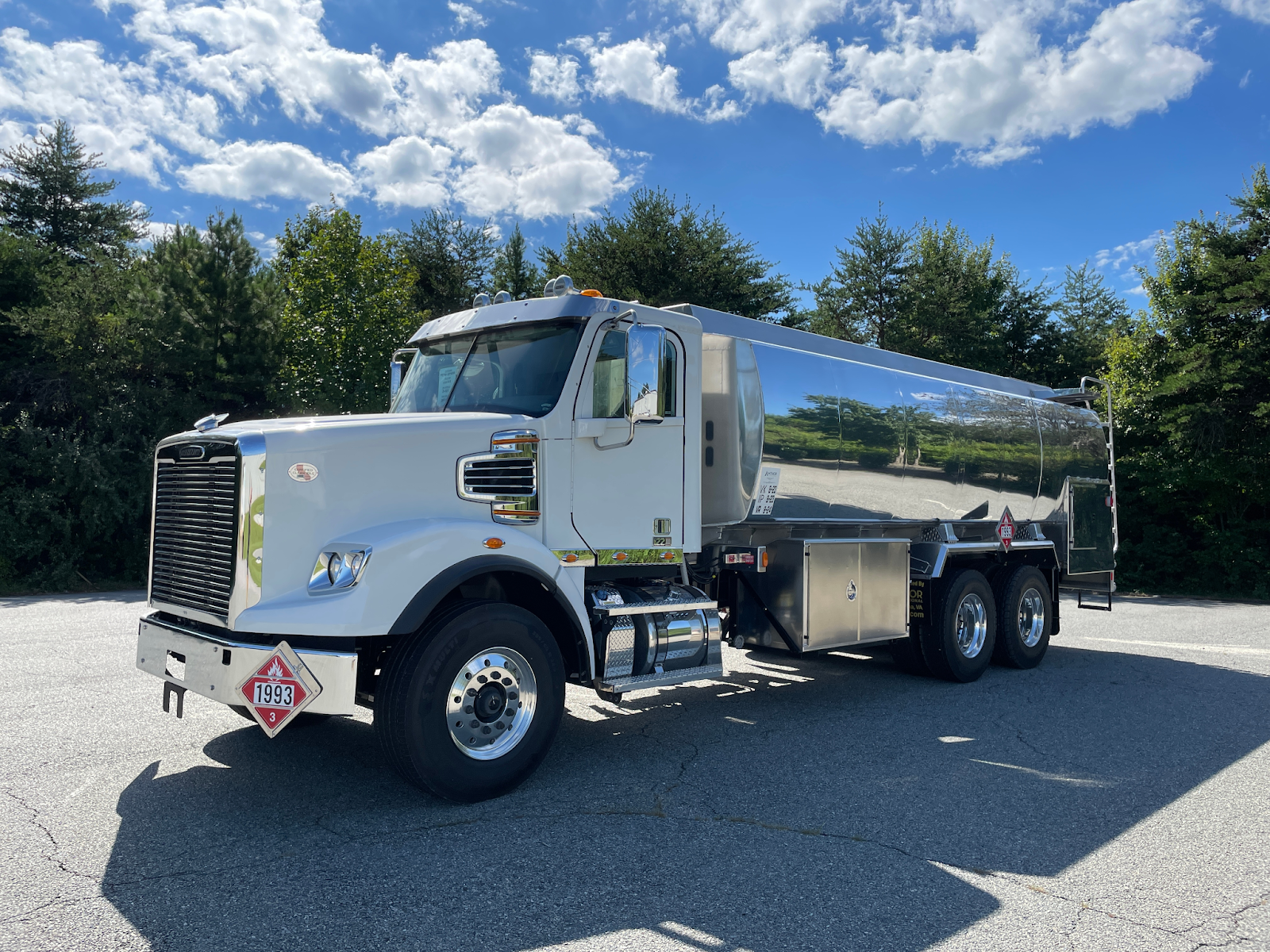
Well-built fuel tank trucks are manufactured using durable materials, precision welding techniques, and corrosion-resistant finishes designed for demanding work environments.
High-quality equipment typically offers:
Longer service life
Lower maintenance expenses
Improved fuel containment
Enhanced structural integrity
Greater operational reliability
Better resale value
Partnering with an experienced manufacturer ensures the finished vehicle is designed specifically for the intended application while meeting applicable safety standards.
Making the Right Investment
Selecting the right fuel transport solution involves balancing operational needs, safety requirements, customization options, and long-term value.
Rather than focusing solely on purchase price, businesses should evaluate the total cost of ownership, including maintenance, fuel efficiency, productivity gains, and equipment lifespan.
An investment in properly engineered transportation equipment can deliver years of dependable performance while supporting safer and more efficient operations.
Conclusion
Fuel transportation is about much more than moving fuel from one location to another. The right vehicle can improve operational efficiency, strengthen safety practices, reduce downtime, and support long-term business growth.
By carefully evaluating tank capacity, essential safety features, customization options, and future operational goals, businesses can choose transportation equipment that delivers lasting value. Whether serving large commercial fleets or specialized applications, investing in quality fuel transport solutions helps organizations operate more efficiently while meeting the demands of an evolving industry.
Comments
Post a Comment