What Features Define a High-Performance Watertruck for Commercial Use?
Commercial operations across construction, mining, agriculture, road maintenance, and municipal services depend on reliable water transportation equipment to maintain productivity and meet project deadlines. As project demands grow more complex, businesses are seeking equipment that can deliver consistent performance while minimizing downtime and operating costs.
Choosing the right vehicle requires more than simply selecting a tank size. High-performance units are designed with advanced engineering, durable construction, and specialized features that improve efficiency in demanding environments. Understanding these key features can help businesses make smarter purchasing decisions and maximize the value of their investment.
Durable Tank Construction
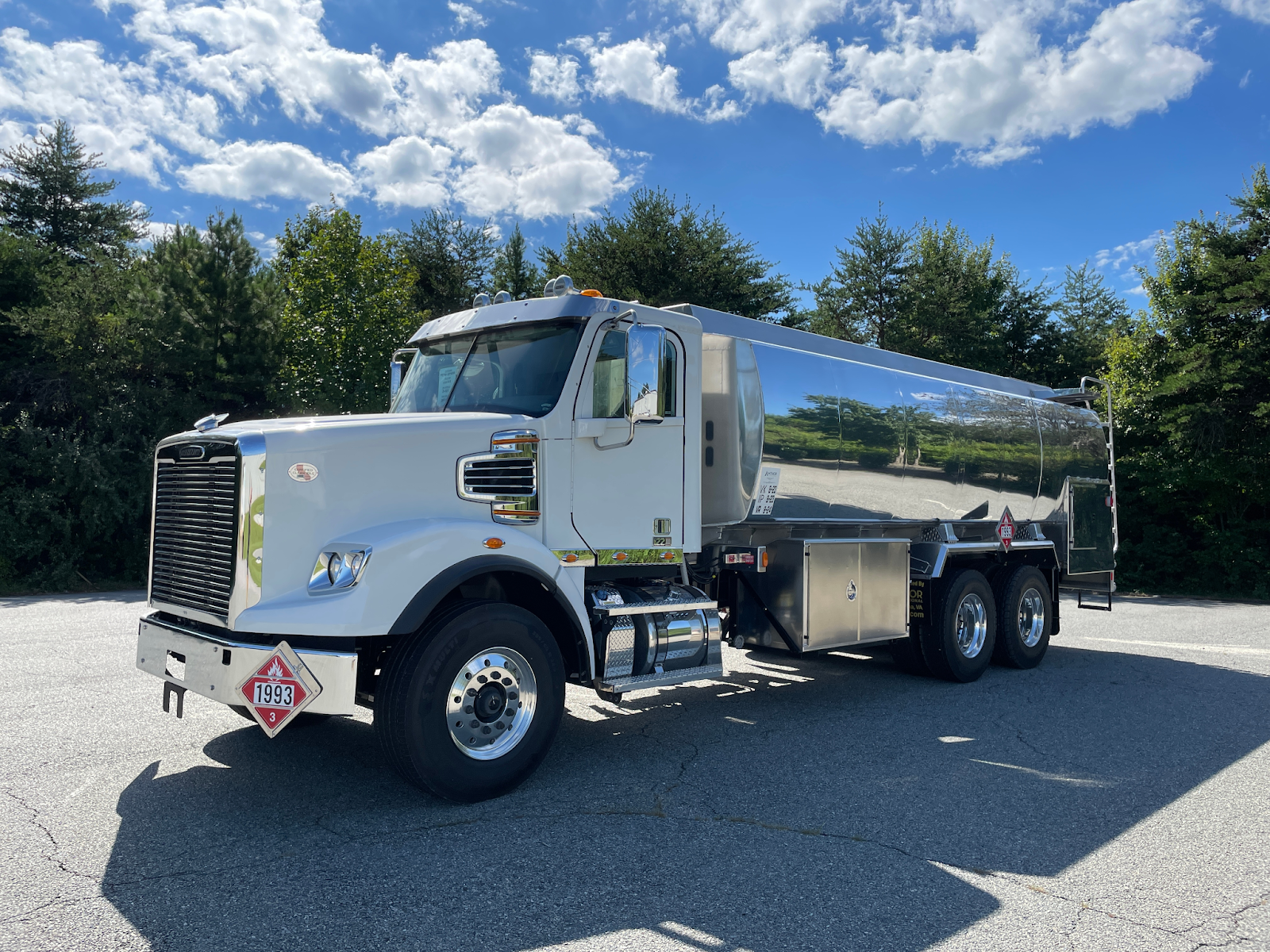
One of the most important characteristics of a high-performance commercial vehicle is the quality of its tank construction. A well-designed water tank in truck applications must withstand continuous use, harsh weather conditions, and exposure to challenging job-site environments.
Premium materials such as stainless steel, aluminum, or high-grade carbon steel help improve durability and resist corrosion. Reinforced tank designs also contribute to a longer service life and lower maintenance costs.
A durable tank provides the foundation for dependable performance and ensures that equipment remains productive throughout its lifespan.
Optimized Water Capacity
Capacity plays a critical role in determining how efficiently a vehicle can operate. Businesses need enough water storage to complete tasks without frequent refilling while maintaining safe vehicle operation.
Selecting the appropriate water truck capacity helps maximize productivity by reducing downtime and supporting longer operating cycles. The ideal capacity depends on project requirements, route distances, and regulatory weight limitations.
A properly sized system allows operators to balance efficiency with performance while minimizing unnecessary operational costs.
Advanced Pumping Systems
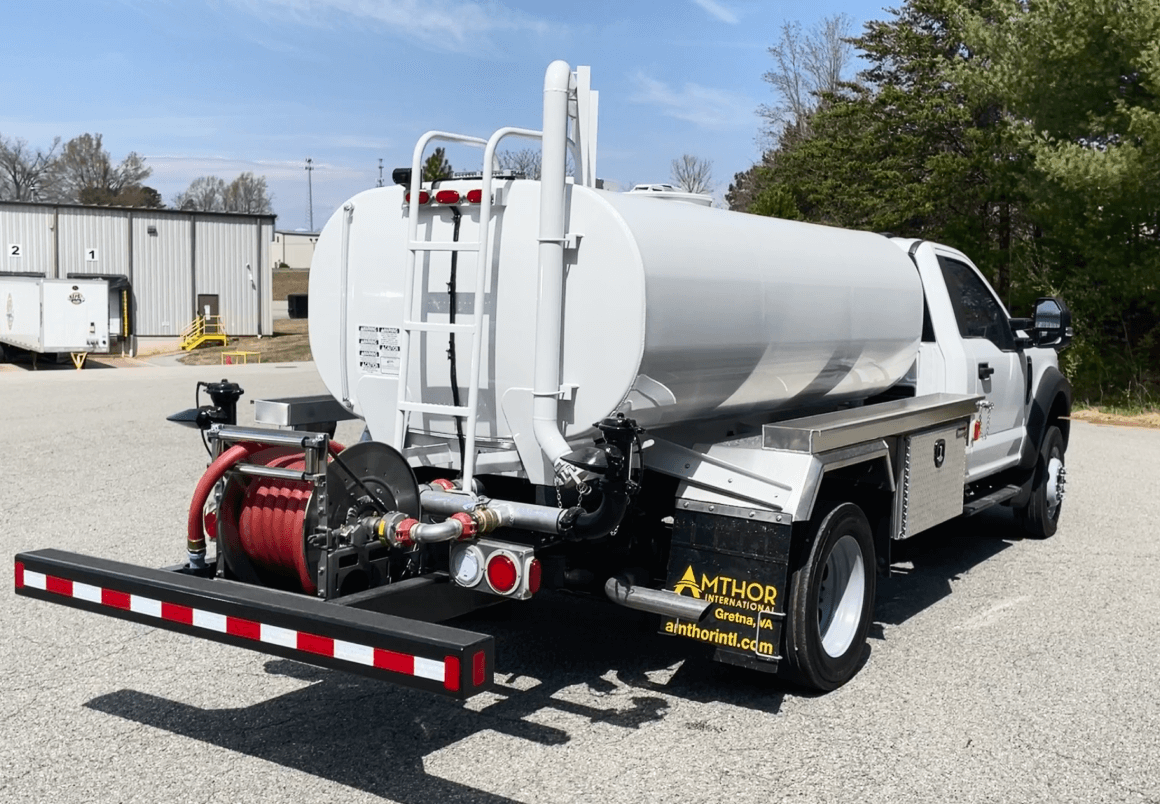
Efficient water delivery requires more than storage alone. High-performance vehicles rely on advanced pumping systems that provide consistent pressure and flow control.
A modern water pump truck is equipped with components designed to improve water distribution accuracy across various applications. Whether supporting dust suppression, soil stabilization, irrigation, or road maintenance, reliable pumping technology ensures water reaches the intended area efficiently.
Enhanced pump performance also improves operator control and helps reduce water waste during daily operations.
Superior Weight Distribution and Stability
Transporting large volumes of water presents unique challenges because liquid movement can impact vehicle handling and safety.
High-performance equipment incorporates advanced engineering features such as internal baffles and optimized tank placement to improve weight distribution. These design elements help reduce water surge during transportation and provide greater vehicle stability.
Improved stability not only enhances safety but also contributes to better fuel efficiency and reduced wear on vehicle components.
Versatile Spray and Discharge Systems
Commercial operations often require different water application methods depending on the project. A high-performance vehicle should offer flexibility through multiple spray and discharge options.
Many premium truck water tanks include customizable spray bars, adjustable nozzles, side sprays, rear sprays, and specialized discharge systems. These features allow operators to adapt quickly to changing job-site conditions and application requirements.
Greater versatility enables businesses to use a single vehicle across multiple projects, maximizing fleet utilization.
User-Friendly Controls and Technology
Technology continues to play an increasingly important role in fleet efficiency. Modern water transportation vehicles often include advanced monitoring and control systems that simplify operation.
Digital controls, automated spray management, pressure monitoring systems, and performance diagnostics allow operators to work more efficiently while reducing the risk of errors.
These technologies help improve productivity, reduce maintenance issues, and provide valuable operational insights that support better fleet management decisions.
Low Maintenance Design
Equipment downtime can significantly impact project schedules and profitability. High-performance vehicles are designed to simplify maintenance and reduce service requirements.
Features such as easily accessible components, durable piping systems, corrosion-resistant materials, and reinforced mounting structures contribute to lower maintenance costs over time.
Investing in equipment designed for long-term reliability helps businesses keep vehicles in service longer while minimizing unexpected repair expenses.
Adaptability for Multiple Industries
Commercial fleets often serve diverse industries with varying operational requirements. High-performance vehicles are designed to adapt to a wide range of applications without compromising efficiency.
A versatile watertruck can support construction sites, agricultural operations, municipal services, mining activities, and industrial projects with equal effectiveness. This flexibility allows businesses to expand service offerings and respond quickly to new opportunities.
The ability to handle multiple applications increases equipment value and supports long-term business growth.
Conclusion
A high-performance water transportation vehicle is defined by more than its ability to carry water. Features such as durable construction, optimized capacity, advanced pumping systems, superior stability, versatile spray options, and user-friendly technology all contribute to operational success.
Businesses that invest in equipment with these capabilities can improve productivity, reduce operating costs, and achieve greater reliability across demanding commercial applications. By carefully evaluating these essential features, fleet operators can select solutions that deliver long-term value and support continued growth in a competitive marketplace.

Comments
Post a Comment