Water Pump Truck Solutions for Dust Control and Jobsite Efficiency
Introduction
Dust management has become a critical component of modern construction, mining, and industrial operations. Excess dust not only creates unsafe working conditions but also reduces equipment lifespan, affects air quality, and may lead to regulatory penalties. Maintaining clean and controlled worksites is essential for protecting workers, improving visibility, and ensuring uninterrupted productivity.
Today’s jobsite managers seek practical solutions that combine water transport, distribution, and efficiency into a single system. Advanced water delivery vehicles provide consistent moisture control while helping businesses maintain compliance and operational performance.
The Role of Water Transport Systems in Dust Suppression
Effective dust suppression requires consistent water application across large work areas. Traditional methods often involve manual spraying or stationary systems, which can slow productivity and increase labor costs.
Modern water pump truck solutions allow operators to apply water precisely where it is needed. Integrated pumping systems ensure steady pressure, enabling controlled spraying over roads, excavation zones, and material handling areas.
These trucks help maintain ideal moisture levels that prevent dust from becoming airborne while avoiding excessive water usage. By improving application efficiency, businesses save both time and operational resources.
Improving Jobsite Efficiency with Proper Tank Design
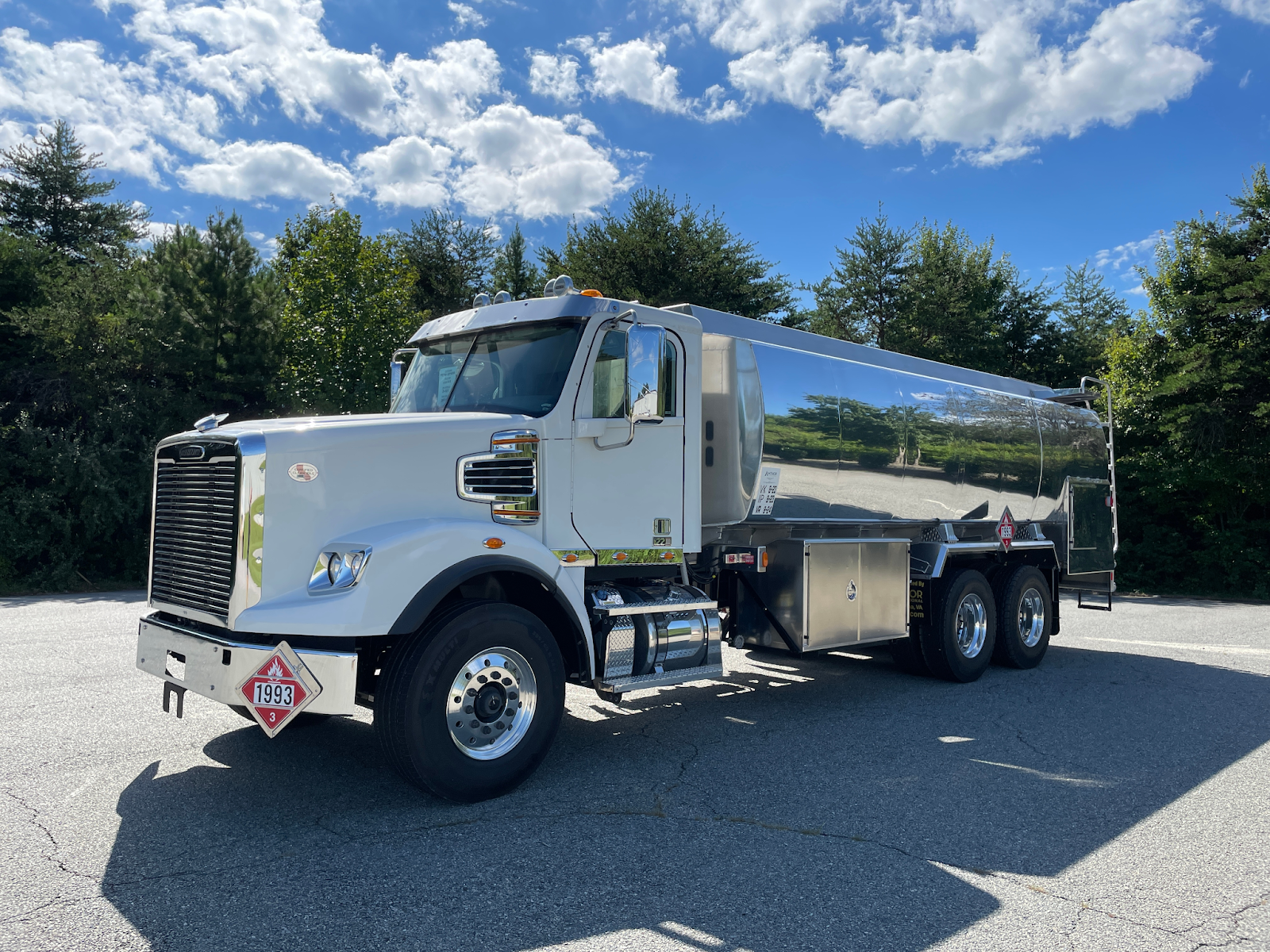
Efficiency on a jobsite depends heavily on equipment reliability. Durable truck water tanks are designed to support continuous operations without frequent refilling interruptions.
Well-engineered tanks feature internal baffles that stabilize water movement during transportation, improving vehicle control and operator safety. Reinforced construction also allows tanks to handle rough terrain and heavy-duty workloads common on construction and mining sites.
When operators spend less time managing equipment limitations, they can focus on completing tasks faster. This directly improves project timelines and enhances overall jobsite productivity.
Multi-Industry Applications Beyond Construction
While construction remains a primary user of dust control equipment, many industries benefit from mobile water delivery solutions. Mining operations rely on water application to control airborne particles generated during excavation and hauling.
Agricultural sites use water distribution systems for field preparation and soil conditioning. Municipal departments depend on water transport vehicles for road cleaning, landscaping support, and infrastructure maintenance.
A versatile water truck enables companies to handle multiple applications using a single piece of equipment. This flexibility increases utilization rates and maximizes return on investment for fleet operators.
Choosing the Right Capacity for Continuous Operations
Selecting the correct water truck capacity is essential for maintaining efficient dust control operations. Insufficient tank size may require constant refilling, slowing progress and increasing fuel consumption.
On the other hand, oversized tanks can reduce maneuverability on tight jobsites. Businesses must evaluate terrain conditions, project size, and daily water demand before choosing equipment specifications.
Balanced capacity planning allows crews to operate longer between refills while maintaining optimal vehicle performance. Proper sizing improves efficiency, reduces wear on equipment, and ensures consistent dust suppression throughout the workday.
Cost-Effective Equipment Investment for Long-Term Performance
Many contractors explore water truck tanks for sale to upgrade or expand their fleets with equipment designed specifically for dust control and jobsite efficiency.
Investing in high-quality tank systems helps companies reduce dependency on rental equipment and external services. Owning reliable water transport solutions allows operators to schedule dust suppression activities whenever required, preventing costly project delays.
Modern tank systems often include customizable spray bars, hose reels, and advanced pumping technology, enabling businesses to tailor equipment to their operational needs. Over time, these features contribute to faster project completion and improved profitability.
Maintenance Practices That Support Reliability
Reliable dust control equipment requires consistent maintenance to perform at its best. Routine inspections of pumps, spray systems, and tank components help prevent unexpected downtime.
Cleaning tanks regularly prevents sediment buildup that could affect water flow or pump efficiency. Monitoring hoses, valves, and fittings ensures safe operation while maintaining consistent water pressure during spraying tasks.
Preventative maintenance not only extends equipment lifespan but also improves jobsite safety by reducing the risk of mechanical failures during active operations.
Conclusion
Dust control is no longer an optional task—it is a necessary part of safe, productive, and compliant jobsite management. Modern water transport equipment provides businesses with efficient solutions that improve working conditions while enhancing operational performance.
By combining durable tank construction, advanced pumping systems, and properly sized configurations, companies can achieve reliable dust suppression and streamlined workflows. Efficient water delivery minimizes downtime, reduces labor demands, and supports faster project completion.
Organizations that invest in well-designed water transport solutions position themselves for long-term success. With the right equipment strategy, businesses can maintain cleaner jobsites, improve efficiency, and achieve stronger financial returns from every project they undertake.

Comments
Post a Comment