Choosing the Right Water Transport Solution for Modern Industries
Water transportation plays a vital role across construction, agriculture, mining, road maintenance, and emergency services. From dust suppression on large job sites to reliable water delivery in remote areas, having the right equipment can dramatically improve efficiency and cost control. However, with multiple capacities and configurations available, selecting the best option requires a clear understanding of your operational needs.
This guide explores how different water transport solutions serve specific purposes, what factors to consider before investing, and how capacity directly impacts performance and return on investment.
Understanding Capacity and Its Impact on Operations
Capacity is one of the most critical factors when choosing a water transport solution. A higher capacity generally means fewer refill trips, reduced downtime, and improved productivity. On the other hand, smaller capacities offer greater maneuverability, lower fuel consumption, and easier maintenance.
Your ideal choice depends on:
Daily water usage requirements
Distance from water sources
Terrain and accessibility
Budget and operating costs
Matching capacity to actual demand helps avoid overpaying for unused capability or struggling with constant refills.
When Large-Scale Projects Demand Power: 6000 gallon water truck
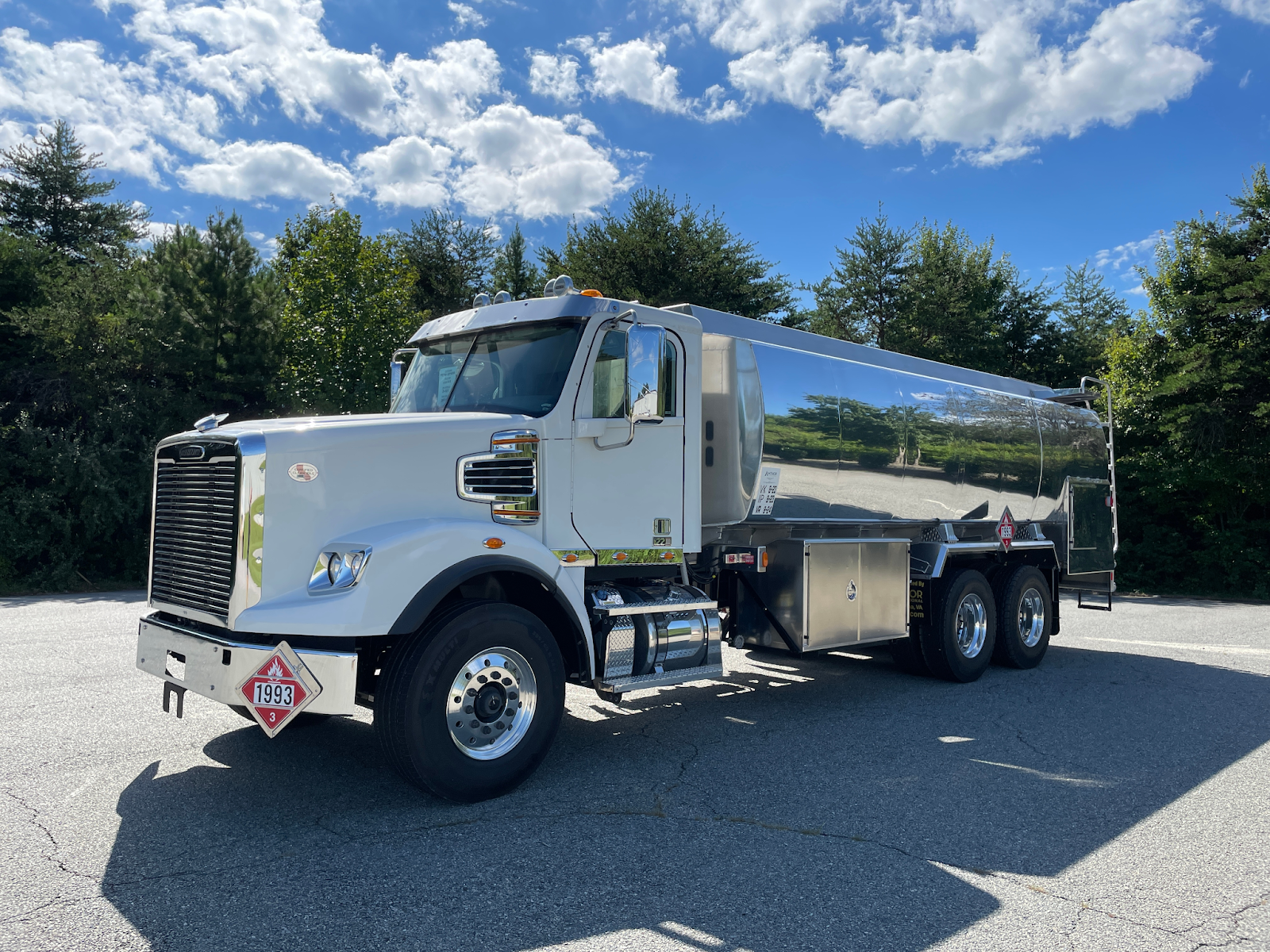
For expansive projects such as highway construction, mining operations, or large-scale dust control, the 6000 gallon water truck stands out as a high-capacity workhorse. Designed for continuous, heavy-duty use, this option significantly reduces the number of refill cycles needed throughout the day.
Its large volume makes it especially valuable in remote locations where water access is limited. Fewer trips back to refill stations translate into fuel savings, reduced labor hours, and consistent workflow. While it requires a more powerful chassis and higher upfront investment, the long-term efficiency often justifies the cost for operations with substantial daily water demands.
Compact and Efficient Storage Solutions for Flexible Use
Not every application requires a massive vehicle-mounted system. In many cases, stationary or semi-mobile storage solutions provide the flexibility and cost-effectiveness needed for smaller operations or supplemental water supply.
These solutions are commonly used on farms, landscaping projects, and backup systems where space and budget are limited but reliability is essential.
Ideal for Small-Scale Needs: 2000 gallon water tank
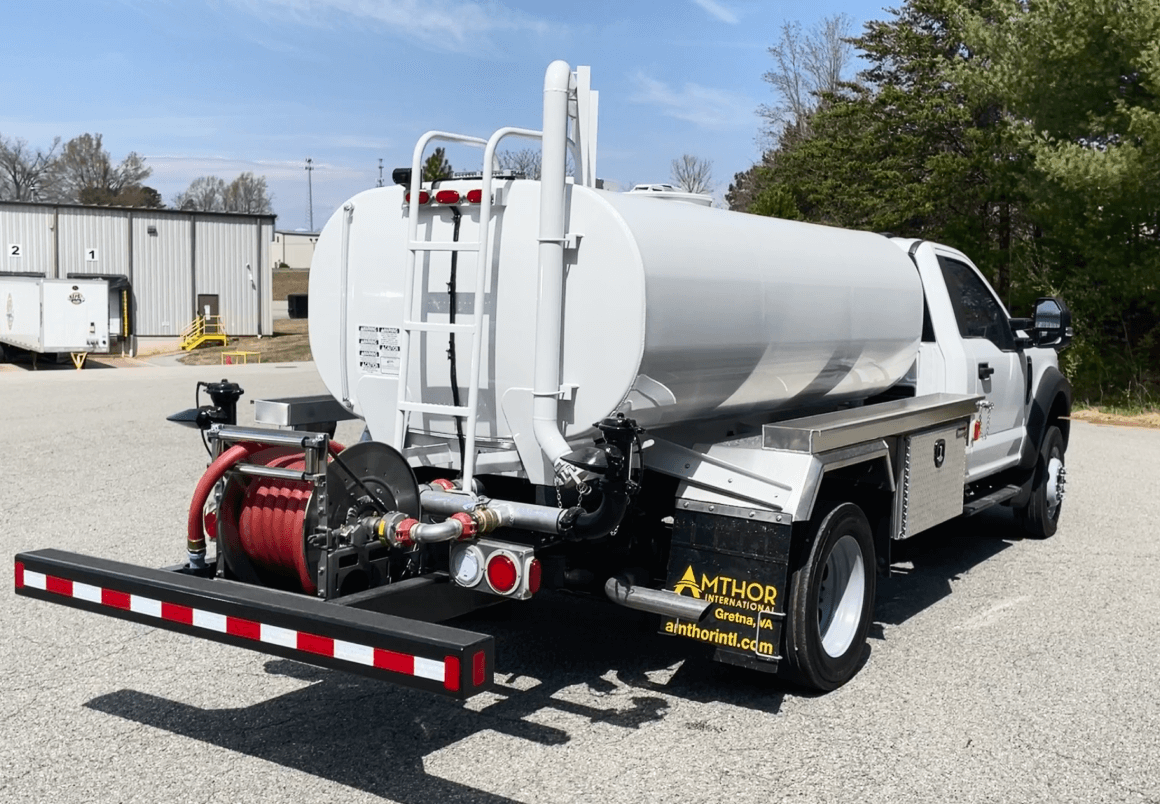
A 2000 gallon water tank is well suited for operations that need a dependable yet compact storage option. It can be mounted on smaller trucks, trailers, or placed as a stationary unit, making it highly versatile.
This capacity is ideal for:
Agricultural irrigation support
Landscaping and nursery operations
Small construction sites
Emergency water storage
Because it is easier to transport and install, it offers a lower total cost of ownership. For businesses with moderate water requirements, this size strikes a practical balance between capacity and efficiency without the complexity of larger systems.
Balancing Power and Maneuverability for Mid-Sized Projects
Mid-sized projects often fall into a gap where small tanks are insufficient, but the largest trucks feel excessive. In these scenarios, a mid-capacity solution can deliver the perfect compromise.
Such options are particularly valuable in urban environments or job sites with limited space, where maneuverability matters just as much as volume.
A Versatile Option for Many Industries: 4000 gallon water truck
The 4000 gallon water truck offers a strong balance between capacity and agility. It provides enough volume to handle demanding tasks like dust control, soil compaction, and municipal services, while remaining easier to operate than larger models.
This capacity is popular among contractors who handle varied projects throughout the year. It adapts well to both urban and rural settings, offering reliable performance without excessive fuel consumption or maintenance complexity. For many businesses, it represents a “sweet spot” in terms of versatility and overall value.
Key Factors to Consider Before Making a Decision
Before selecting any water transport solution, it’s important to evaluate more than just capacity. Consider the following factors to ensure long-term satisfaction:
1. Operating Environment
Rough terrain, tight spaces, or long travel distances can influence the ideal size and configuration.
2. Frequency of Use
Daily, continuous use may justify a larger investment, while occasional use favors simpler, smaller setups.
3. Maintenance and Support
Larger systems may require more specialized maintenance. Ensure parts and service are readily available.
4. Budget and ROI
Look beyond the purchase price and consider fuel efficiency, labor savings, and lifespan.
Making the Right Investment for Long-Term Success
Choosing the right water transport solution is ultimately about aligning equipment capability with real-world demands. Whether you’re supporting a massive infrastructure project, managing a growing farm, or running a versatile contracting business, understanding capacity options allows you to invest wisely.
A well-matched system improves productivity, reduces operational stress, and delivers consistent results over time. By carefully assessing your needs today, you can ensure your water management strategy supports growth and efficiency well into the future.
Comments
Post a Comment