How to Compare Water Trucks for Sale Based on Tank and Pump Quality
When investing in water trucks for sale, buyers often focus on price and brand while overlooking the two most critical components: the tank and the pump. These elements directly affect performance, durability, operating costs, and long-term value. Whether you are purchasing for construction, mining, agriculture, or municipal use, understanding how to properly evaluate tank and pump quality will help you make a smarter, more cost-effective decision.
This guide breaks down the key factors you should compare so you can confidently choose a water truck that meets your operational demands.
Why Tank and Pump Quality Matter
The tank and pump are the heart of any water truck. A poorly built tank can crack, corrode, or leak, while an inefficient pump can reduce flow rate, increase fuel consumption, and cause frequent downtime. High-quality components ensure consistent water delivery, better dust suppression, and reduced maintenance over the life of the truck.
Evaluating Tank Material and Construction
One of the first things to assess is the material used in tanks for water trucks. Common options include carbon steel, stainless steel, and polyethylene.
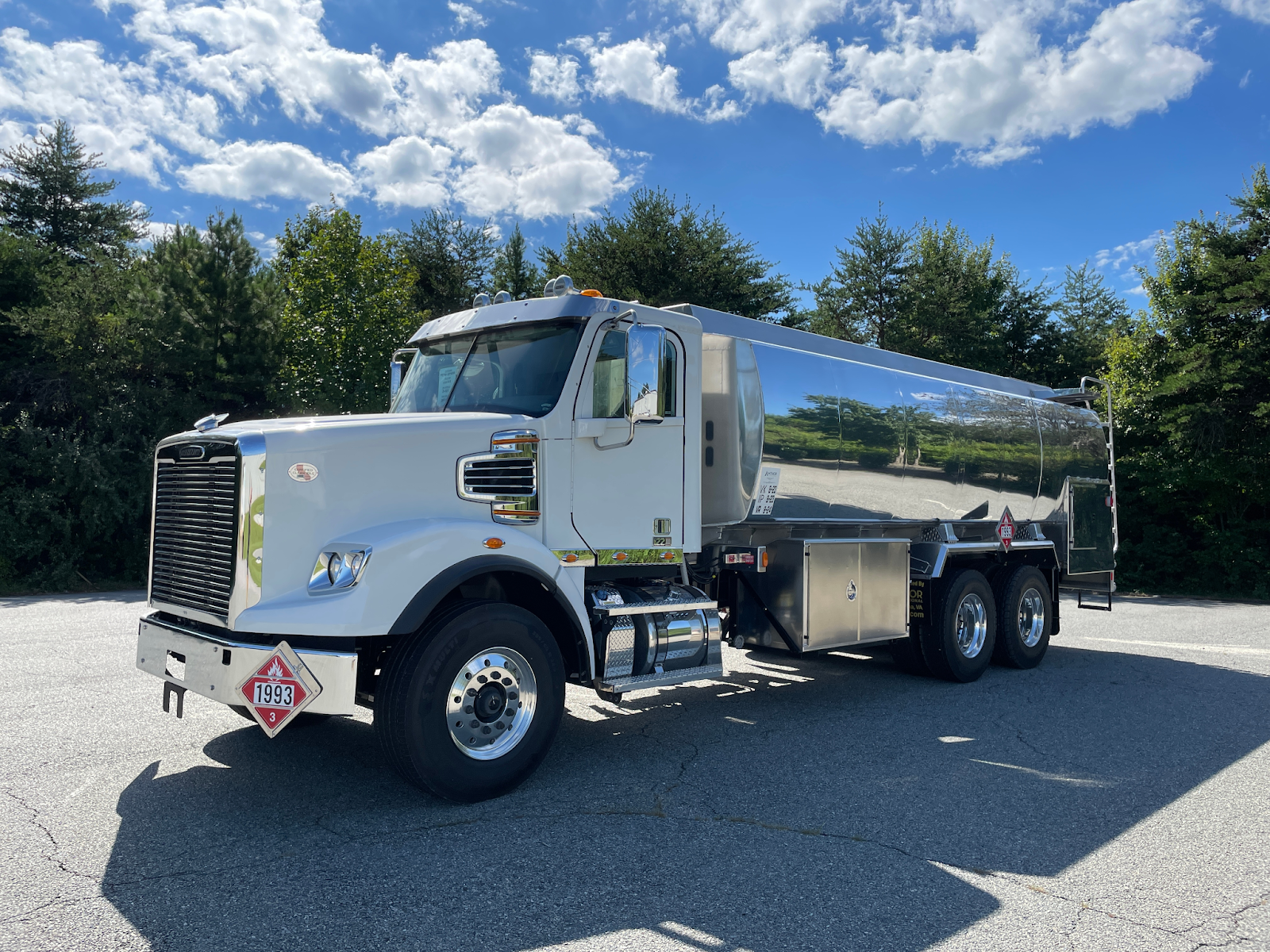
Steel tanks are known for strength and impact resistance, making them suitable for harsh job sites. Stainless steel offers superior corrosion resistance, especially when hauling non-potable or chemically treated water. Poly tanks are lighter and resistant to rust but may not be ideal for extreme temperatures or heavy-duty use.
Pay close attention to weld quality, wall thickness, and internal baffles. These features prevent structural failure and minimize water surge during transport, improving safety and vehicle stability.
Comparing Tank Capacity and Design
Capacity selection should match your operational needs. Oversized tanks increase payload weight and fuel consumption, while undersized tanks reduce productivity.
High-quality truck water tanks are designed with balanced weight distribution and reinforced mounting points. Look for designs that integrate smooth interior surfaces to reduce sediment buildup and make cleaning easier. A well-designed tank not only carries water efficiently but also protects the truck chassis from unnecessary stress.
Understanding Pump Performance and Specifications
The pump determines how effectively water is delivered to spray bars, cannons, or hoses. Flow rate, pressure output, and pump type all matter.
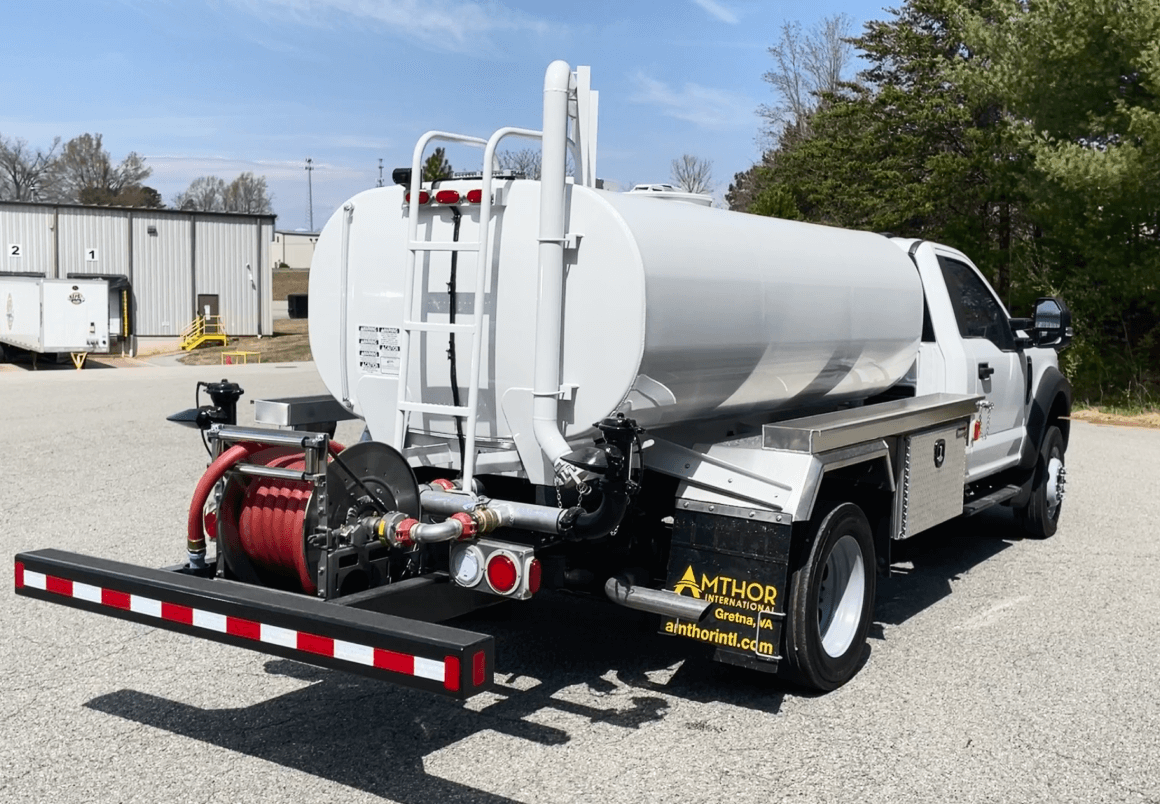
A reliable water pump truck typically features centrifugal or positive displacement pumps, depending on application. Centrifugal pumps are ideal for high-volume, low-pressure spraying, while positive displacement pumps excel at consistent pressure delivery over long distances.
Check pump materials, seal quality, and manufacturer reputation. Poor pump construction often leads to leaks, reduced efficiency, and frequent repairs.
Matching Pump Power to Tank Size
Pump performance must align with tank capacity. An undersized pump will struggle to move water efficiently, while an oversized pump can cause unnecessary wear and energy loss.
High-quality water truck tanks are paired with pumps that provide balanced flow and pressure, ensuring smooth operation across all spraying functions. Always verify that the pump’s output matches your intended application, whether dust control, firefighting support, or soil compaction.
Maintenance and Long-Term Durability
Ease of maintenance is another major comparison point. Tanks with proper drainage ports, access hatches, and corrosion-resistant coatings reduce downtime and cleaning costs.
Well-designed tanks for water trucks also protect internal components by minimizing vibration and water surge. Similarly, pumps with readily available spare parts and simple service procedures lower long-term ownership costs and keep your fleet running efficiently.
Compliance, Safety, and Manufacturer Support
Quality water trucks should meet industry safety standards and local transport regulations. Look for tanks with certified pressure ratings and pumps that comply with environmental and operational guidelines.
A dependable water pump truck is backed by strong manufacturer support, clear documentation, and warranty coverage. This support is often overlooked but becomes invaluable when parts or technical assistance are needed.
Making the Final Comparison
Before purchasing, compare multiple options side by side. Review technical specifications, inspect build quality, and consider real-world performance rather than marketing claims.
When evaluating water trucks for sale, prioritize tank durability and pump efficiency over cosmetic features. A slightly higher upfront investment in quality components often results in lower operating costs, improved reliability, and longer service life.
Final Thoughts
Choosing the right water truck requires more than comparing prices. By carefully assessing tank materials, capacity, pump performance, and maintenance requirements, you can select a solution that delivers consistent results and long-term value. A well-built tank paired with a properly matched pump ensures your water truck performs reliably, efficiently, and safely for years to come.

Comments
Post a Comment